
Build real wealth—this goal eludes many people, not because they earn too little but because they mistake income for a destination. They chase higher salaries and promotions, believing arrival happens once money hits their account. Income, however, was never the finish line.
Income is a tool. Wealth is a strategy. Without knowing this difference, you can earn a great deal and still have little to show for it.
Therefore, let’s redefine success. Earning provides fuel, but building requires direction. You cannot *build real wealth* until you see income as the beginning, not the end.
Table of Contents
What Is Wealth, Really?
Let’s clarify definitions first. Income is money that flows in actively; it depends entirely on your ability to work and produce. Wealth, by contrast, is money that stays, grows, and multiplies sustainably.
Income gives you options. Wealth gives you stability. Consequently, chasing only income leaves you vulnerable when work stops.
Income is temporary, while wealth is sustainable. Income requires active effort, whereas wealth can generate passive returns. Your income depends on the work you do, but wealth depends on strategic planning. Simply put, income is what you earn, while wealth is what you keep and grow over time.
To build real wealth, you must prioritize keeping and growing over merely earning. Otherwise, each paycheck arrives only to leave again.
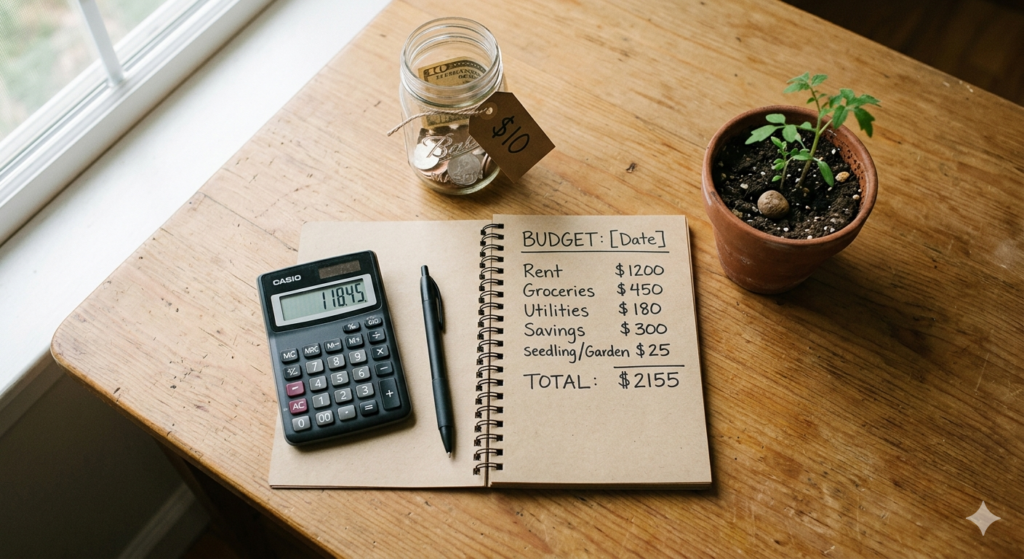
How Structure Turns Income Into Assets
Money does not automatically become wealth. It needs clear direction and intentional systems. Without a job, every dollar eventually leaves.
Build real wealth using these key tools:
– Budgeting – knowing where every dollar goes
– Saving – paying your future self first
– Investing – letting money work for you
– Planning – thinking beyond this month
– Separating income from assets – treating savings as off-limits
– Creating long-term systems – automating what matters
Income becomes wealth when you give it a specific job. For instance, a budget directs funds toward goals, and automation removes daily temptation. Structure, therefore, transforms fleeting cash into lasting assets.
Business Owners: This One’s For You
If you own a business, listen closely. Business income should never feel like personal spending money. Many entrepreneurs fail to build real wealth because they treat their company like a personal wallet.
Instead, direct business funds toward clear purposes. Reinvest profits back into growth. Save aggressively for taxes and slow seasons. Allocate money to specific goals with written systems.
Your business is not merely an income source. It is a wealth-building tool. Once you separate business money from personal spending, you move decisively from earning to building.

Answers To Some Questions
Because they confuse income with wealth. High earners often stay stuck when they spend what they make instead of directing money into assets. Income feels like progress, but without structure—budgeting, saving, investing, and planning—every paycheck flows out as fast as it comes in. Wealth is not what you earn; it’s what you keep and grow.
By separating business money from personal spending with clear systems. Many entrepreneurs fail to build wealth because they use business income as spending money. The fix is simple: direct business funds toward specific purposes—reinvesting profits, saving for taxes and slow seasons, and allocating dollars to written goals. Your business is not an income source; it’s a wealth-building tool. Treat it that way.
Conclusion and Call to Action
Income marks the beginning; wealth marks the outcome. Structure serves as the bridge between them. You do not need more money to start—you need a system.
Your next step is simple. Open a separate savings account this week, even if you can only deposit $10. Name it Wealth Builder. Automate a small, recurring transfer. Watch what happens when you give money a clear purpose.