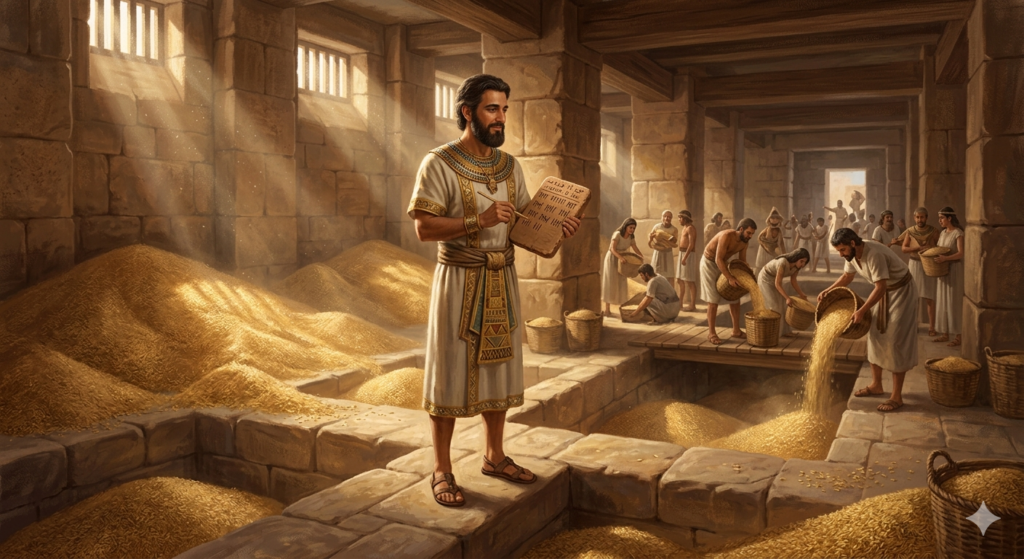
Preparation is wisdom—yet many believers mistakenly assume that saving money reveals a lack of faith. Scripture, however, consistently honors those who plan with discipline and stewardship. From Joseph’s grain stores to the ant in Proverbs, the Bible praises readiness, not recklessness.
A common misunderstanding suggests that money is unspiritual. But God gives income and expects faithful management. He provides opportunity alongside a call to discipline.
Wealth rarely grows through impulse. Instead, it flourishes through careful preparation and godly wisdom.
Table of Contents
The Difference Between Earning and Stewarding
Anyone can earn a living by exchanging time for money. Earning alone, therefore, does not require character or foresight. Stewardship, by contrast, demands intentional management of every resource.
Stewardship asks a harder question than earning does. “How much came in?” measures only activity. “How well did you manage what stayed, grew, and multiplied?” measures faithfulness.
Consequently, wisdom does not appear in the size of your paycheck. Preparation is wisdom because it focuses on what you keep, grow, and steward for future seasons.

Preparation Is Not Lack of Faith
Some Christians confuse preparation with anxious worry. Yet worry fears that God will fail to provide, while preparation trusts God enough to honor His gifts. Joseph did not panic during the seven years of abundance; instead, he stored grain with deliberate care.
Because Joseph prepared wisely, an entire nation survived a devastating famine. His example proves that planning actually reflects deep trust in God’s guidance. Preparation, therefore, is never fear—it is wisdom in action.
Worry obsesses over tomorrow’s unknowns. Preparation calmly manages today’s resources for tomorrow’s realities. You honor God not by reckless spending but by thoughtful stewardship.
Three Questions for Your Financial Stewardship
Ask yourself these three practical questions to align your habits with biblical wisdom:
Are you managing what you have right now? Not what you wish you had, but what God has already placed in your hands.
Are you preparing for future seasons of change? Not hoarding out of fear, but wisely setting aside for known or unknown needs.
Are you separating income from assets? Or does every dollar that comes in immediately flow back out without growing?
These questions reveal whether preparation is wisdom in your daily life. They shift your focus from mere earning to faithful stewardship. Small, honest answers lead to lasting change.
Answers To Some Questions
Many believers struggle with this guilt because they’ve been taught that holding onto money equals selfishness. But Scripture never commands reckless giving—it commands cheerful, strategic, and faithful stewardship. Preparation is wisdom, not hoarding. Saving allows you to give better later, not avoid giving now. Joseph stored grain for seven years before a famine; he wasn’t withholding from the hungry—he was preparing to feed them. If you give away everything today, you may have nothing to give tomorrow when the need is greater. Guilt often comes from unclear boundaries, not from sin. Set aside your giving first, your saving second, and your living expenses third. That order honors God, serves others, and builds lasting stability.
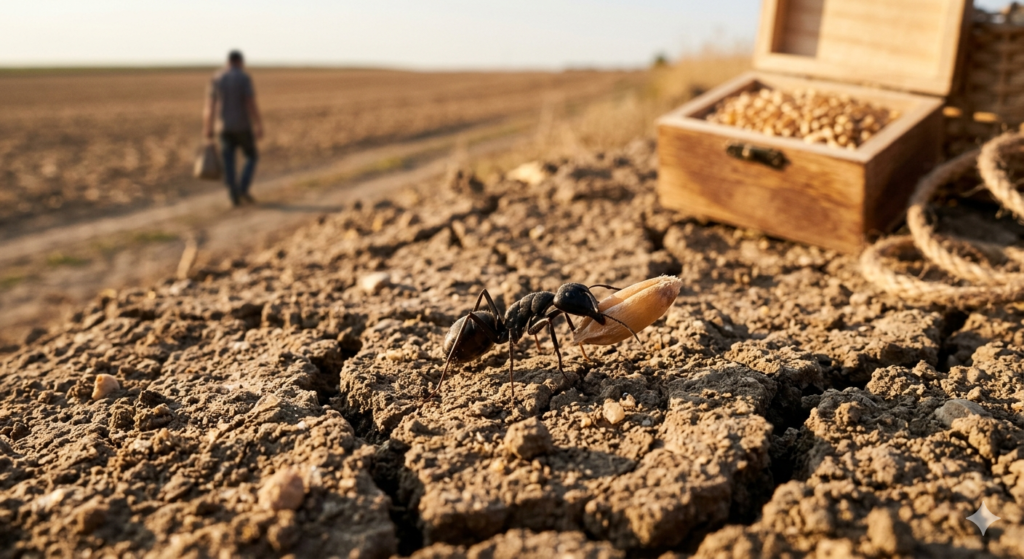
Anxiety after achieving basic financial security usually signals one of two things: either you lack a clear purpose for your money, or you’ve never moved from surviving to building. An emergency fund stops crises, but it does not create direction. Without a vision—saving for a home, funding children’s education, launching a ministry, or building legacy wealth—your money sits idle and your mind stays restless. Preparation is wisdom, but wisdom always asks “for what purpose?” The ant in Proverbs stored for winter, not for a bigger pile with no season in mind. This week, write down one specific, God-honoring goal that requires you to grow your resources beyond survival. Then name your “Preparation Fund” after that goal. Purpose drives out vague anxiety faster than any spreadsheet ever will.
Conclusion and Call to Action
God does not bless impulsive carelessness; He rewards faithful stewardship. Saving money does not make you greedy, and planning does not reveal weak faith. On the contrary, these actions make you wise.
Your next step is simple yet powerful. This week, set aside 10% of anything that comes in—not for spending, but for building. Call this your “Preparation Fund.” Watch how it transforms your peace of mind over time.
Preparation is wisdom. Start practicing it today