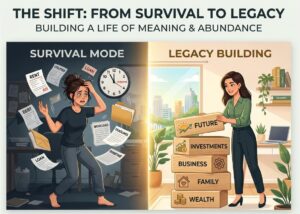
Most people unknowingly sit on a valuable income stream because they frame their past as mere storytelling. That framing costs them real money. What feels normal or easy to you often solves a hard problem for someone else.
This post helps you recognize your lived experience as a monetizable asset. You will learn a simple mental shift and a practical first step to activate your knowledge as income.
Table of Contents
The Cost of Calling It “Just a Story”
Your journey—including mistakes and ordinary victories—holds concrete solutions. When you label it “just my story,” you dismiss the very lessons others would pay to learn. Consequently, you remain stuck in familiarity while someone else struggles with what you already solved.
People do not pay for information alone. They pay for clarity, direction, and results. Your experience already contains those three elements, not because you are perfect, but because you have lived through real problems and found real answers.

Reframe Your Experience as an Asset
Old thought: “My experience is just my story.”
New thought: “My experience is an asset, a solution, and a potential income stream.”
This reframe changes everything. A hard-won lesson about managing a team through crisis becomes a consulting offer. A personal system for organizing chaotic finances becomes a template or a guide. A skill you taught a coworker last week becomes a coaching session.
Your lived lessons are not merely memories. They are resources waiting for recognition. Once you see them as such, ethical monetization becomes natural stewardship rather than forced selling.
Turn One Problem Into One Offer
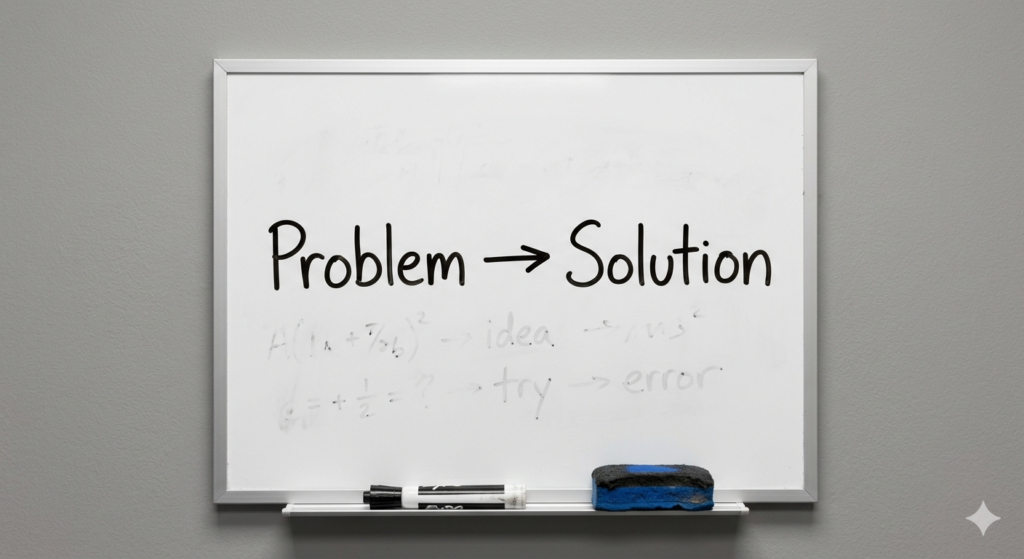
You do not need a course or a website to begin. Instead, pick one problem you have solved for yourself. Then turn that solution into a small, useful format: a 30-minute consulting call, a one-page guide, a short workshop, or a simple service.
Here is the secret most people miss: you do not need a thousand customers. You only need one person who feels stuck exactly where you used to be. Serve that person well, and your first income stream quietly comes to life. From there, you repeat the process with the next problem and the next person.
Charge fairly and serve deeply. Your clarity alone can become someone else’s breakthrough. As you help that person move two steps forward, your story quietly transforms into sustainable, impactful income.
Answers To Some Questions
Many people confuse activity with progress. Being busy feels productive, but without clear priorities and measurable outcomes, your energy scatters in a dozen directions. You answer emails, attend meetings, and tick small tasks off a list—yet at the end of the month, nothing meaningful has moved forward. This happens because you lack a system for distinguishing urgent from important, and you haven’t defined what “done” actually looks like. Progress comes from focus, not busyness. Until you build a structure that protects your attention and tracks real results, more hours will only produce more exhaustion, not more achievement.
Knowing and doing are separated by a hidden gap called friction. You understand the steps—save more, start the side project, have the hard conversation—but something stops you every time. That something is usually a lack of clarity, fear of imperfection, or an environment full of distractions. Your brain prefers the familiar discomfort of inaction over the unfamiliar risk of failure. Action requires lowering the barrier to entry: break the first step into something absurdly small, remove one distraction, or commit to just five minutes. Knowledge alone never created change. Systems and tiny, consistent actions do. Until you design your environment for execution, your knowing will forever outrun your doing.
Conclusion.
Your past is not a relic. It is a resource. The problems you have solved, the mistakes you have corrected, and the systems you have built all point toward an income stream you have not yet claimed.
Start small. Stay useful. Serve one person at a time. When you stop calling your journey “just a story” and start treating it as an asset, everything changes—not dramatically overnight, but steadily and honestly. And that is how ethical, sustainable income begins.